
This February, we are highlighting the role that architecture has had in global climate change and envisioning ways we can contribute to solutions.
We believe buildings should not only mitigate negative consequences for the environment but can surpass this to provide a net positive contribution.
We believe that sustainable design begins at the onset of a project and is a mindset that carries on through construction.
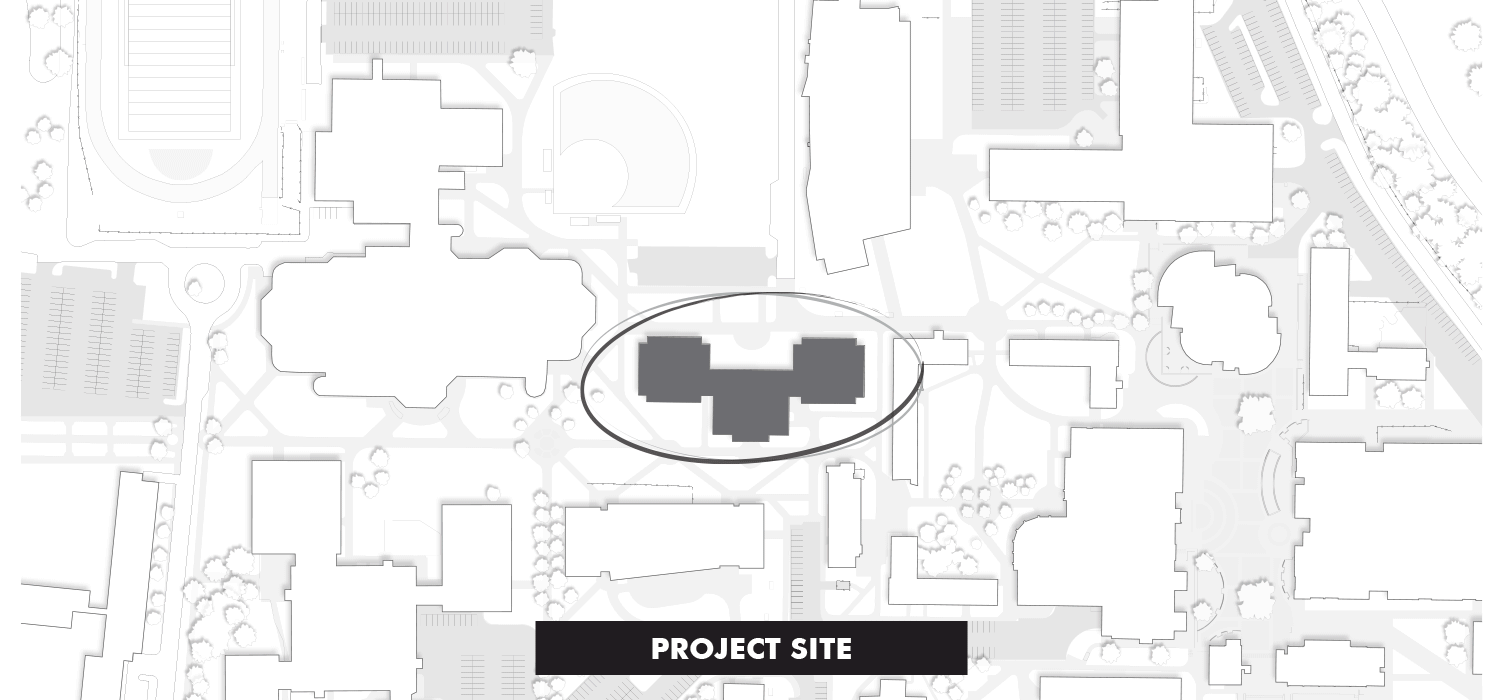
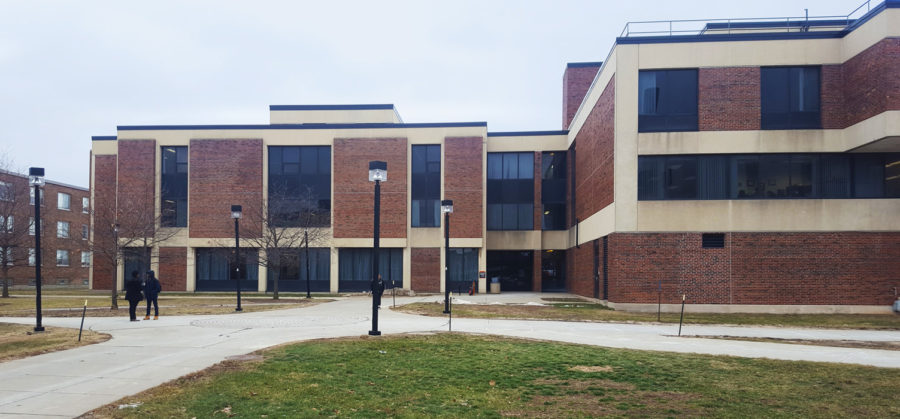
2050 is the AIA’s target year for the U.S. to achieve net-zero emissions from the building sector. New York State’s institutions, and the SUNY system in particular, are looking for ways to lead the transition to sustainable alternatives. SUNY aims to reduce their energy consumption by 30% by the year 2020. Their goal to revitalize existing facilities and design new facilities as carbon neutral demonstrates their commitment to climate recovery. The University ta Buffalo has engaged A|r to explore multiple options for achieving net zero on new construction projects. A|r is also exploring deep energy retrofit at Buffalo State College, to simultaneously renew aging facilities and drastically shrink its carbon footprint.
As architects, designers, and citizens, we have a shared responsibility to make sustainability a top priority. Let’s work together to make this a reality!
Find out more about our past LEED Certified projects here:
https://www.archres.com/project/bronx-childrens-pc/
https://www.archres.com/project/silverman-library/
https://www.archres.com/project/suny-canton-carc/