Design Thinking

Design Thinking

Share this

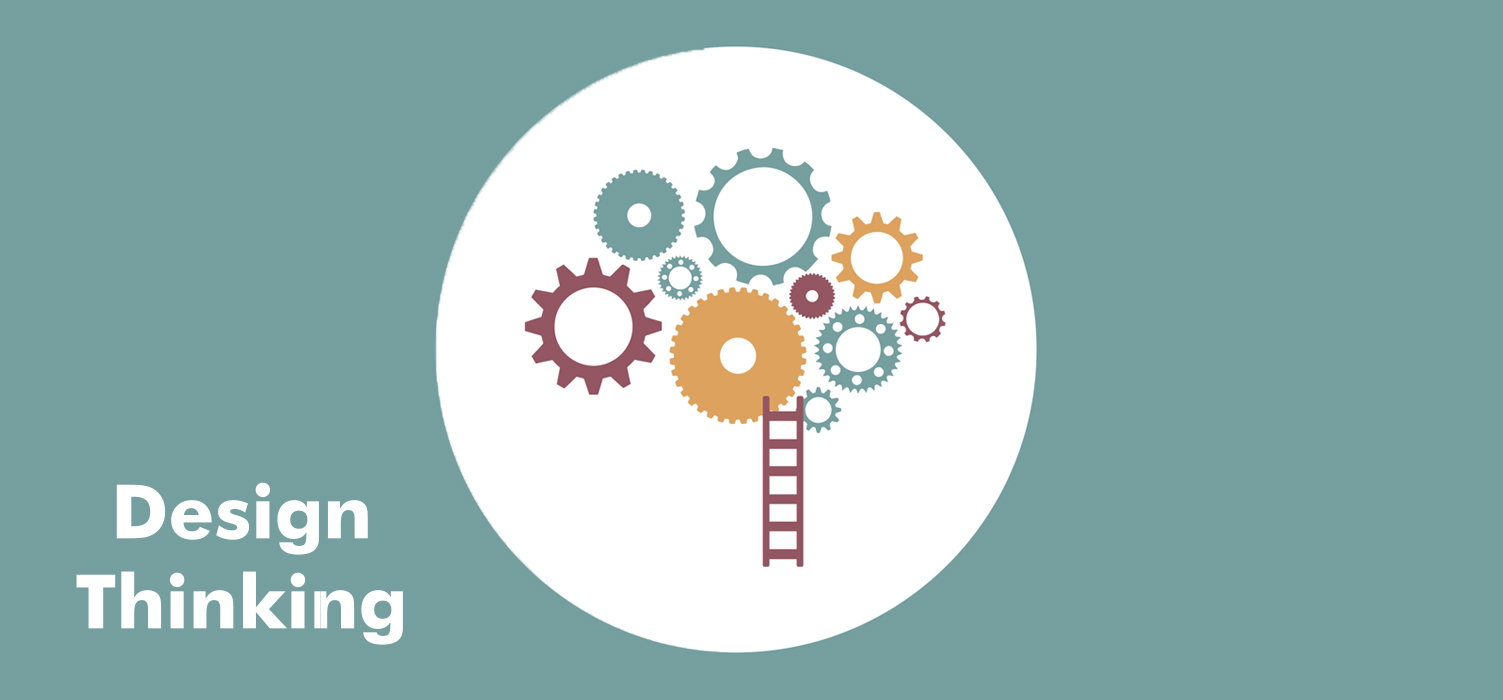
January is the month of resolutions, revelations, and new beginnings. This January we celebrate Design Thinking. Why?

Design thinking begins with a deep inquiry into the why and whom – it’s about having empathy and taking a deep interest in understanding people (including ourselves).
  
With design thinking we engage the voices of many to ideate, motivate, innovate and create. Together, we experiment (and start over), solving one problem at a time, until a singular vision emerges. We find harmony, balance and beauty as we build outcomes that improve the way we connect to one another and to the planet.

Whether in the home or the workplace, hospitals or campuses, design thinking challenges the assumptions that have guided how we’ve done things until now and spurs us to consider new approaches.

Here’s to a new decade of forward-thinking design!

Happy January!

Here are some of the conceptual projects we’ve had fun with recently:
https://www.archres.com/project/hydraulics/
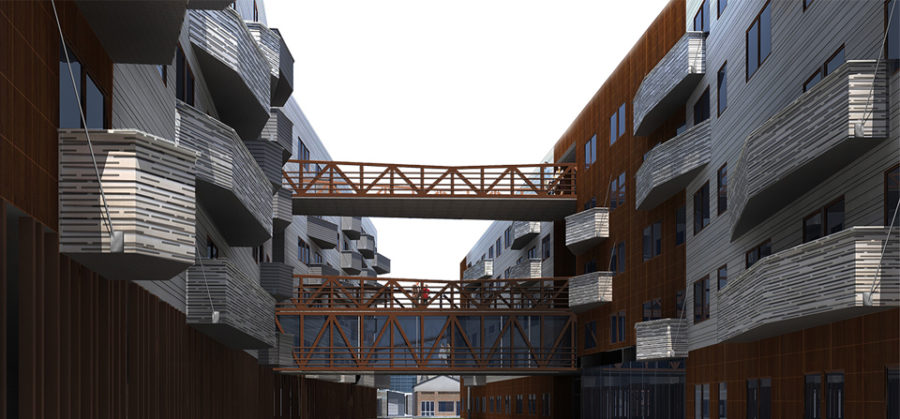
https://www.archres.com/project/emerson-at-larkin/
https://www.archres.com/project/community-music-school/
Related Articles

Vertical Transportation by Architectural Resources

Vertical Transportation

Early in our firm’s history, we understood the value of a dedicated vertical transportation (VT) design studio to seamlessly blend VT and architectural design into our projects.

Workflow at Architectural Resources Architect Firm

Workflow

Here at A|r we operate as a design studio. What does this mean exactly? It means that our multidisciplinary staff comes together as a team to collaborate and develop as a unified whole.

Universal Design

Universal Design for Public Comfort Stations

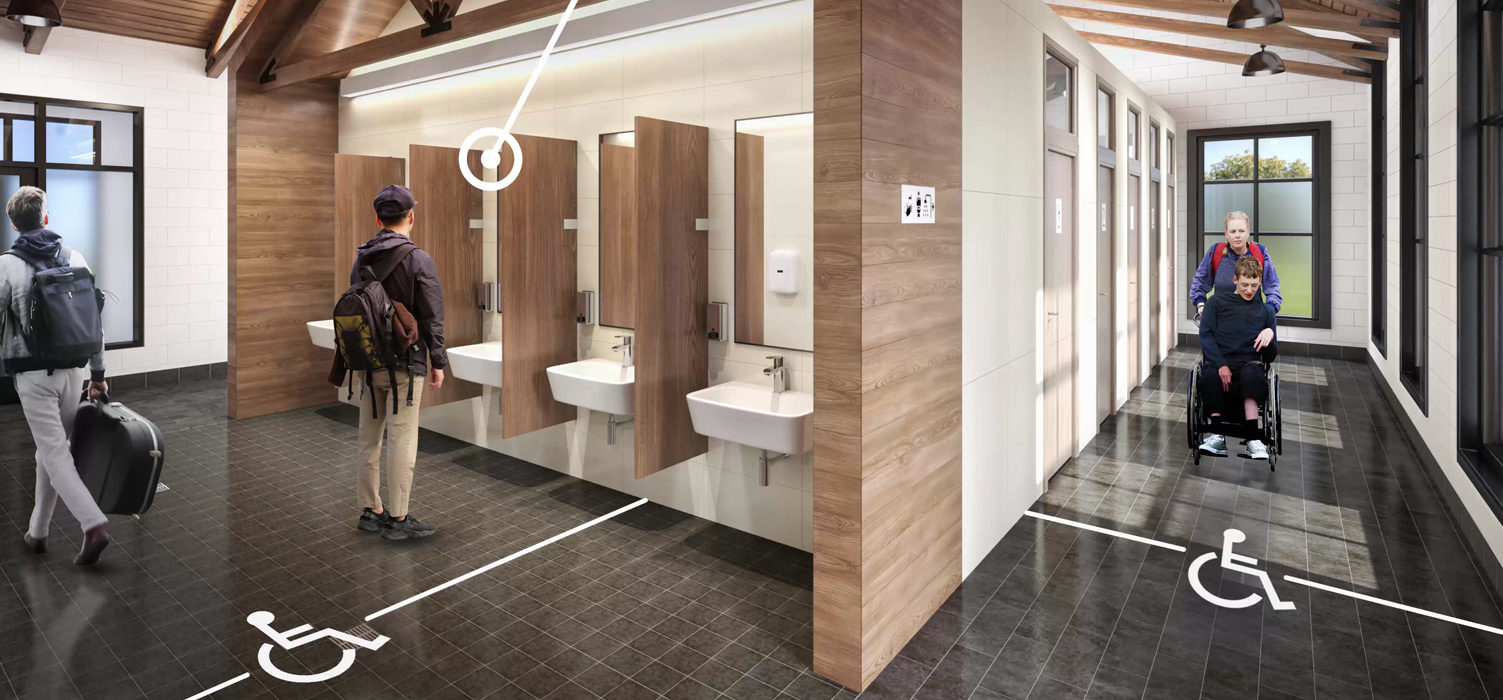
We strive to design for all at every level of the built environment. We are looking beyond Gender Neutral design to Universally designed bathrooms, or comfort stations – conceived to be accessible to all people, regardless of gender expression, age, ability, belief, and social structure.

Adaptive Reuse by Architectural Resources

Adaptive Reuse

In architectural theory and design practice, buildings are treated as static objects. A design may propose spaces, finishes, and adjacencies that respond to one potential path for a building’s use.

find

Buffalo Office
505 Franklin Street Buffalo, NY 14202

NewYork Office
303 West 13th Street New York, NY 10014

Connect