Making Place

Making Places

Share this

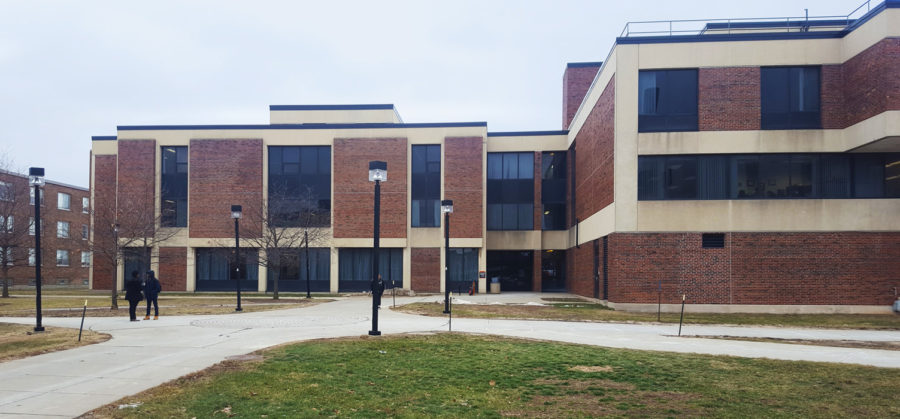
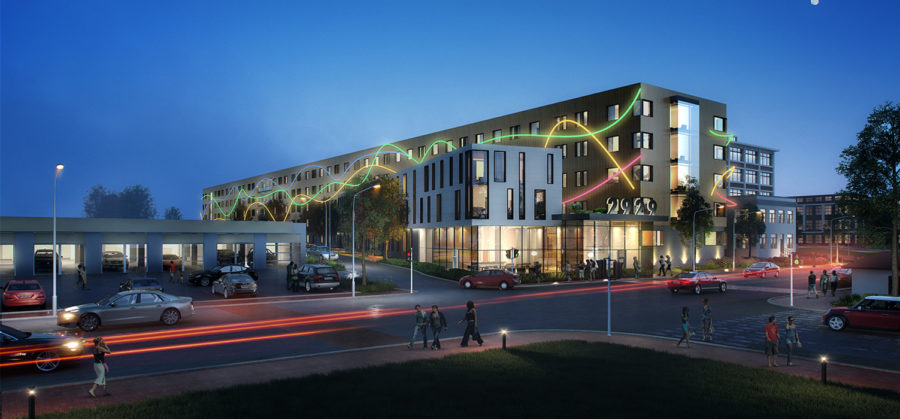
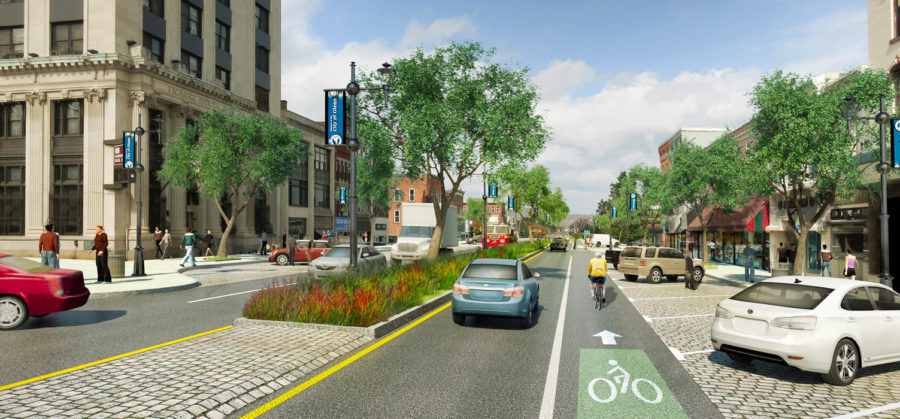
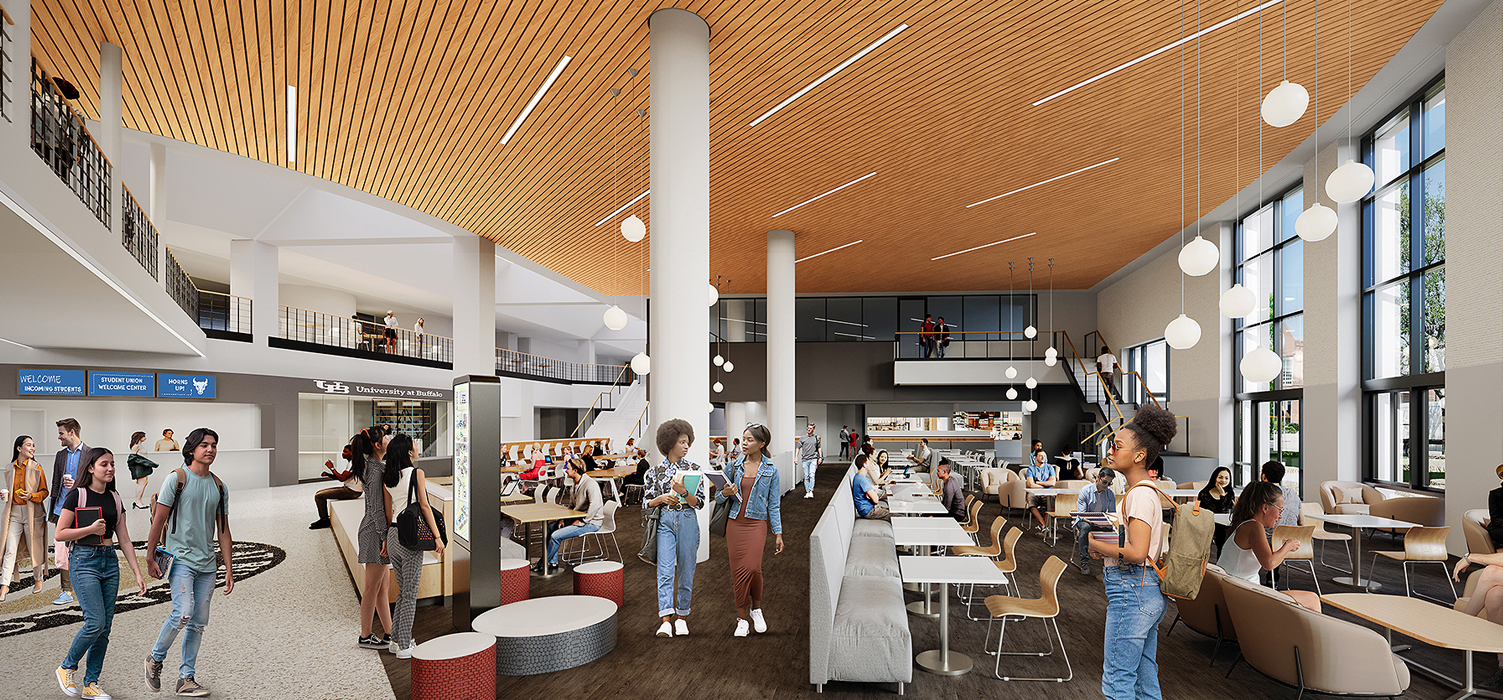
There is no placemaking without people. As we move together toward a post-covid era, what new factors will impact our sense of place? The tools of placemaking were important before, and now they are crucial to how we experience our environment.

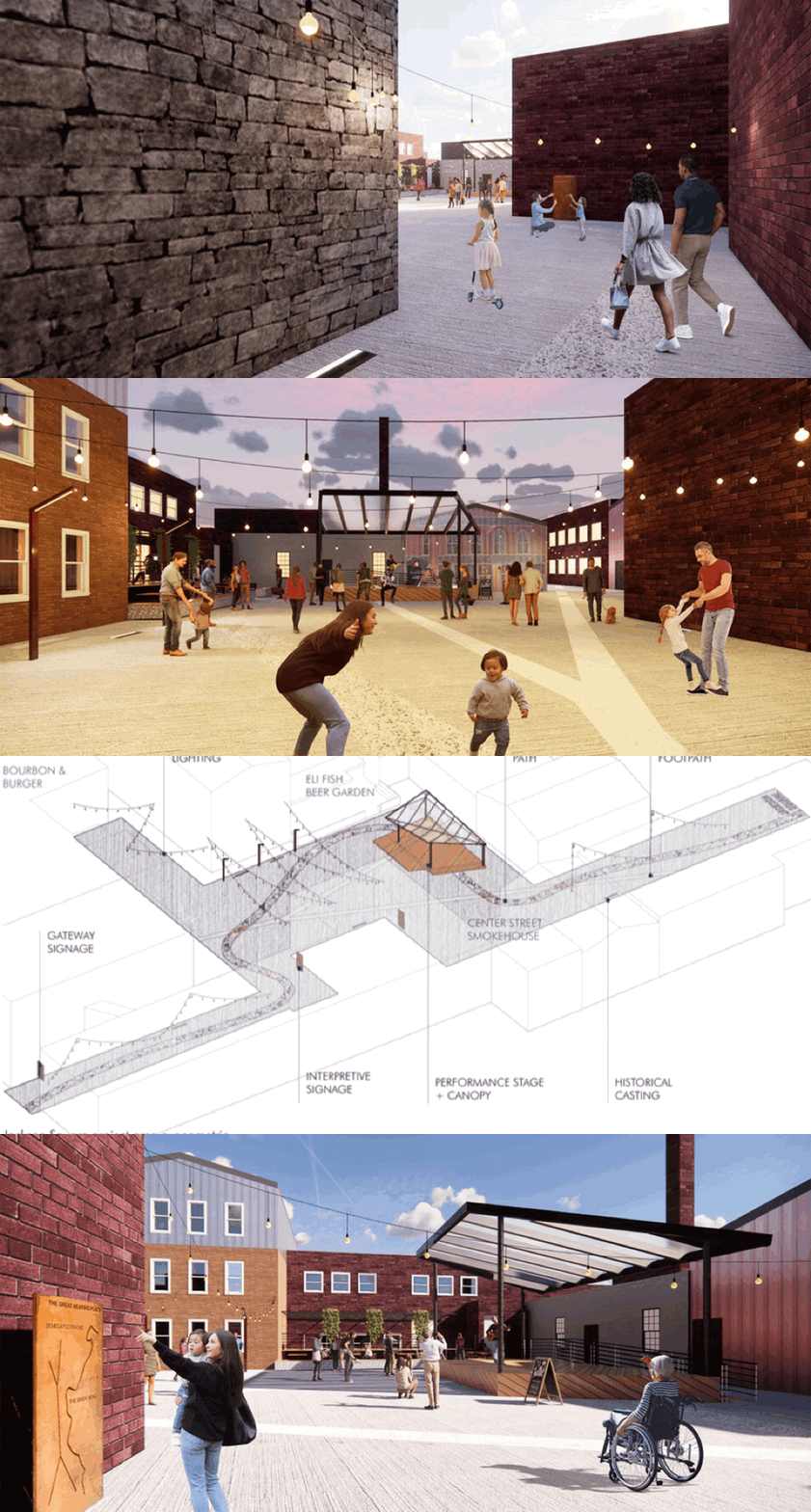
We know that broad and inclusive participation is the truest path to meaningful design outcomes, and it is critically important to raise all voices, pursue universal access and challenge status quo thinking. We are living in a moment that requires the talents of everyone at the table. Co-creation with all types of user groups, including marginalized voices, and design professionals together, are the best strategy for intentional and effective design of the public realm. We’ll work together to design places that make us feel safe to return, to make connections to place and to each other.

This is how we build conversation and build bridges. When we create space for greater interaction, we are taking steps to improve the health and wellbeing of individuals – and our collective wellbeing. We are better together, and now, looking forward we can return to the places where we can engage, be inspired, high-five, and hug!

We are back! And we’ll see you there…
Related Articles

Library Design in a Changing World

Library Design in a Changing World

With the ever-evolving nature of teaching and learning, the academic library has already undergone a great transformation by adapting to new paradigms present in higher education. The proliferation of digital resources and scholarship has meant that access to information is everywhere and even more critical in the current circumstances.

March Music at Architectural Resources

Performance Space Design

March is Music in Our Schools Month, and this March we celebrate the performing arts and spaces that support the inclusive and energizing experience of live performance.

Solar Diagram Building by Architectural Resources

Solar Building Design

The sun is the most efficient source of energy available for human consumption. Photovoltaic systems, commonly known as solar arrays, give us the ability to actively integrate this abundant energy with the function and design of a building.

Center 63

Nichols School Class of 1963 Center for Science and Mathematics turns 10 at the end of this year!

find

Buffalo Office
505 Franklin Street Buffalo, NY 14202

NewYork Office
303 West 13th Street New York, NY 10014

Connect